






|
|||||||
|
|
|
|
|
|||
|
|||||||
|
Waiting Audio Model 2 in PX4 November 2026 Vintage British tubes hit different. You’ve seen their names; Mullard, Brimar, GEC, Genelex, Osram, Ediswan, Cossor, Marconi. In the early to mid 20th century, these storied old “valve” makers created some of the most musical and engaging sounding electron tubes ever made. By now I’ve heard so many tubes, and in the types I like best the list is pretty long. In simplified terms I’ve found that: the German tubes sound clean and sharp, the American tubes sound round and full, and the British tubes make up a middle ground where the sound is textured but somewhat understated. Some of my favorite tube types are dominated by the British sound. And although I do prefer the shaper and perhaps more insightful sound of the German and American tubes in the high-gain small signal sizes like the 12AX7 and 12AU7, the story is different with power tube types. The KT66 and EL37 are among my top choices of the 6L6 variants, and that is really saying something with one of the deepest fields of competition in all of audio! A pair of Brimar 6SN7 have held the line in my systems for years now, chosen even over the Tung Sol round plates and 1578 portholes. And of course the venerable Mullard 5AR4 sets the standard for both sound and endurance, and is an ultimate rectifier. But there is another, deeper flavor of the English sound in the oldest triodes; like the PX4 and the PX25. These tubes date to the late 20’s and early 30’s and are similar in a sense to the 2A3 and 300B respectively. These are the tubes that powered England’s radio revolution, and I have been fascinated by them for some time now. In the past I’ve owned a magnificent “PX25” amp made in England by Art Audio, and although I enjoyed it immensely, I don’t believe the newly reinvented UX-based PX25 that are being made today are the same thing as the real deal 1930’s tubes. But old school PX amps aren’t grown on trees, and they have been vanishingly rare on the markets I watch. Enter Taiwanese builder Waiting Audio (found on eBay as abula101f3pf) and their seemingly one-size-fits-all single ended monoblock power amplifiers, called the Model 2. Waiting Audio appears to be a Western Electric centered audio concept with wares including replica classic Western gear, as well as parts like chassis, old stock tubes, sockets, capacitors and transformers for tube audio and WE inspired projects. There is also a line a of single ended monoblock amplifiers, and here Waiting Audio seems to have applied the same approach to a number of output tubes; with choices like 45, 2A3, 300B, PX4 and PX25 power tubes all appearing on the same compact chassis alongside a 310a driver and 5R4 rectifier, and with hand-wound transformers that copy a WE design. But Waiting has not built modern PX amplifiers; the PX versions of his amps are wired for the original tubes. I was hooked, and after sending an offer I was soon in possession of two compact, relatively lightweight but solid little bricks, complete with old stock dark glass Marconi PX4 tubes! The amps had obviously been made to order, hammertone silver essence still lingering, but were delivered from Taiwan quickly and in perfect shape. Firing up the Waiting Audio Model 2 monoblocks for the first time revealed a very nice warm character with a lot of nuance and depth, but nothing syrupy or slow. It’s immediately apparent that these sound quite good! After warm-up, there is a lower midrange richness and a certain spatial character that I’ve definitely come to associate with the East Asian Western Electric renaissance. Toshi Kurashima and Waiting Audio amplifiers both seem to have a kind of tanginess that separates them from the herd and makes their sound stand out a little bit. There is a kind of a clarity that can make things sound quite realistic (but not necessarily more revealing…the jury is still out for me on that one). The bass range has a deep character that feels visceral but not overwhelming; I also wouldn’t call it tight bass it’s just realistically present. Anyway, in my experience the boutique Asian Western gear has a “sound” and this is it. Overall I’ve found the Waiting Audio PX4 to be superb sounding amplifiers. Delivering around 3.5 watts per channel, these monoblocks do still need fairly efficient speakers, but the amps have drive and can probably perform quite well on tube friendly speakers with efficiencies as low as 93 or 94 db/wm. The onboard volume controls mean no need for a preamp, and I am hearing exactly what the amps deliver. In the 6 months or so that I’ve owned them I’ve used them mostly with my Isophon coaxials in the open-backed Telefunken cabinets, and I’d estimate them to be in the 96-97 db/wm range. I’ve also used them with both of my Coral coaxials, the Seas fullrange and even my huge Altec A7 horns. The PX4 revealed its signature on all of the speakers I’ve used so far, with only a vanishingly small hum, but no distortions or other distractions within its power range. So how does the PX4 sound? Rich and immersive with a lot of emotional nuance injected in. These are not neutral sounding tubes, they are quite romantic. Appearing to have some of the grunt of the 45 and some of the silky hand of the 300B, the PX4 is a very good sounding valve. Its obvious alter ego is the 2A3, but the PX4 is thicker sounding and more tactile than the 2A3, which is lighter handed overall. On the PX4, Sean Rowe’s gruff voice has presence and weight. Norah Jones’s voice sounds quirky and mischievous in just the way that I like, while even heavier hitting material like Black Sabbath still has a warm glow to it. These tubes and this circuit make music sound engaging and even somewhat nostalgic. All in all the PX4 is a fantastic performer within its power limitations. I feel like I could replace my Yamamoto 45 or even the Alpa 300B with the Waiting PX4 and fidelity-wise not feel short changed in any real way. It sounds so good it makes even the Toshi Kurashima 2A3 amp begin to burn a hole in my pocket! There are still so many incredible tube types out there left to be sampled. So far I’ve cut a pretty deep scratch into the surface, but there are still plenty of outliers left. Thanks to Waiting Audio, the elusive PX4 is now crossed off in my bird book. These are magnificent tubes, and in the Waiting Audio Model 2 they shine bright. I can’t speak to the other single ended implementations in the Model 2 lineup (yet), but the PX4 is a home run for sure. I’ve got my eye on the PX25 as well. Thanks to Waiting Audio for making these somewhat forgotten tubes accessible. Highly recommended! |
||||||||
|
||||||||
|
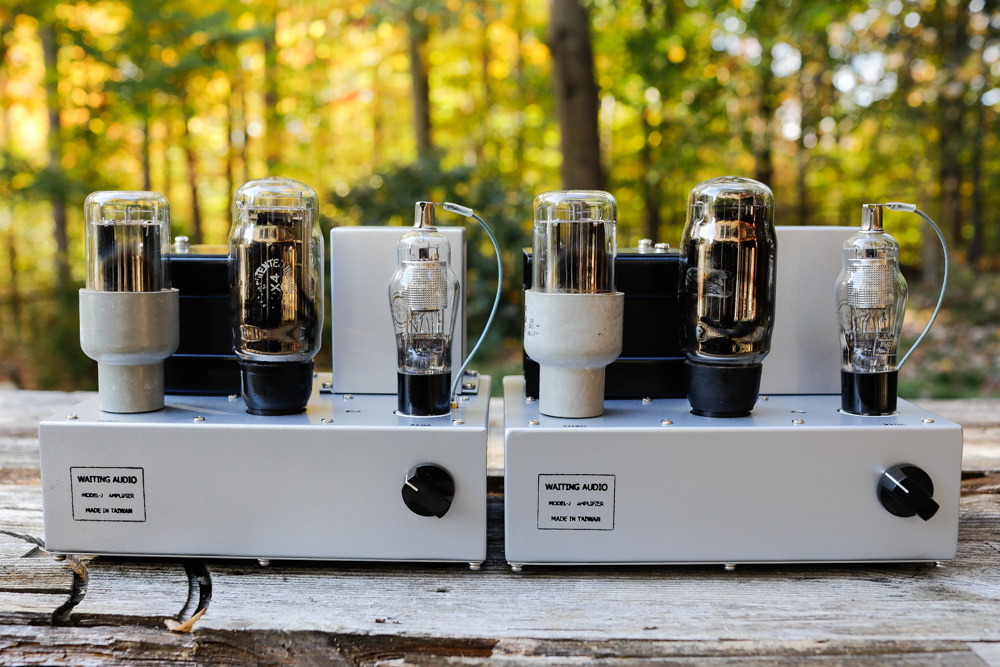
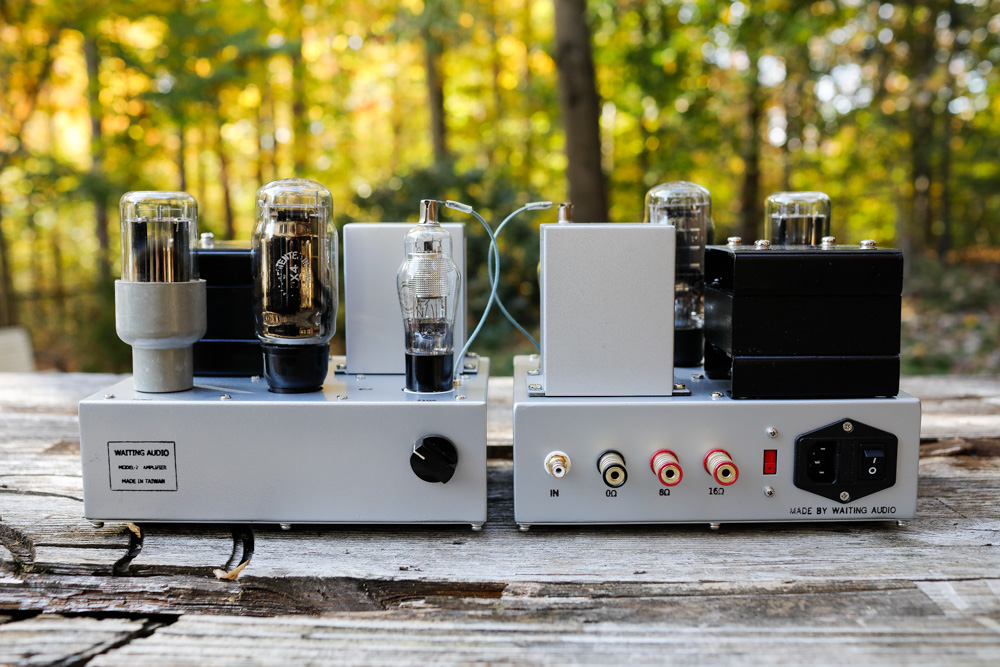
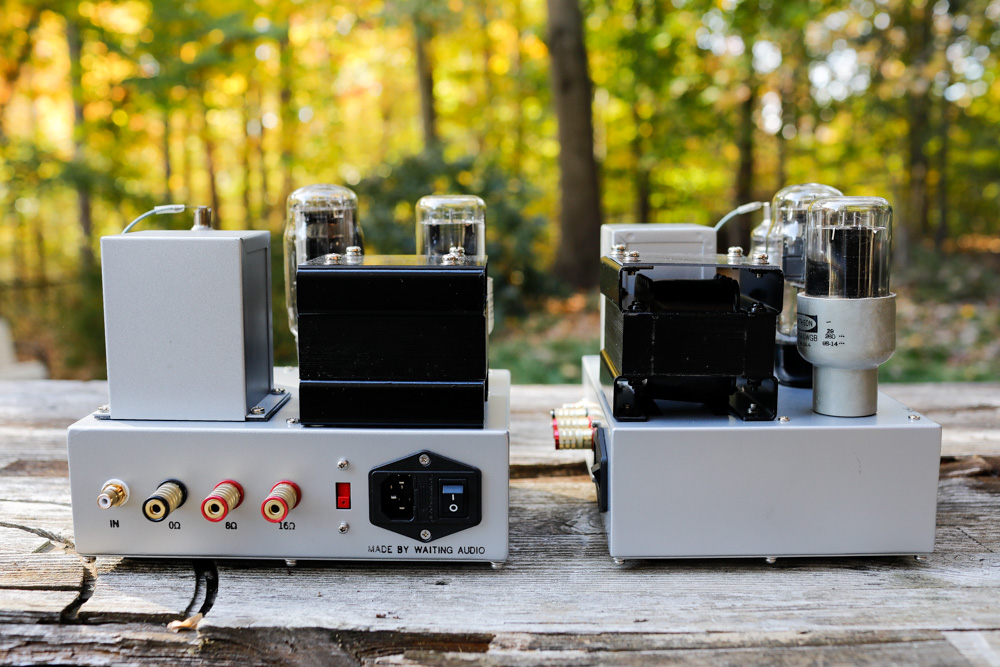
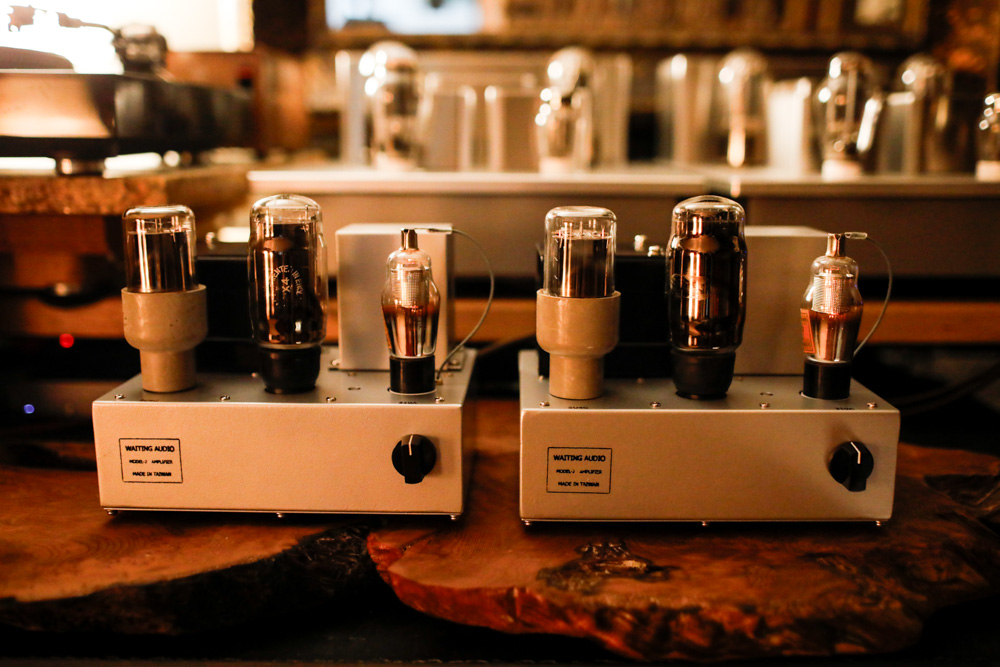
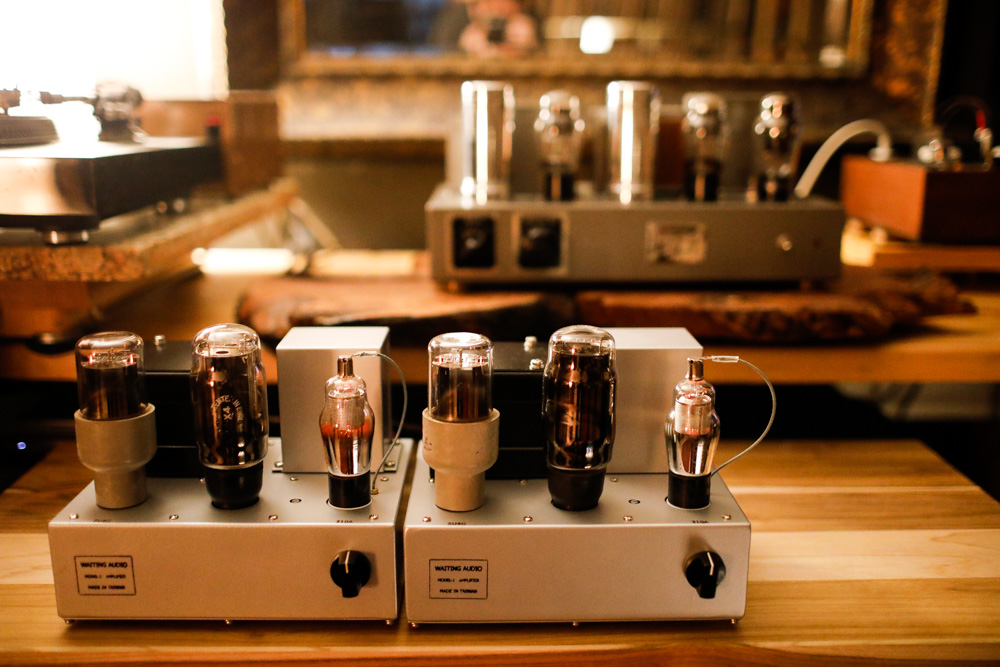
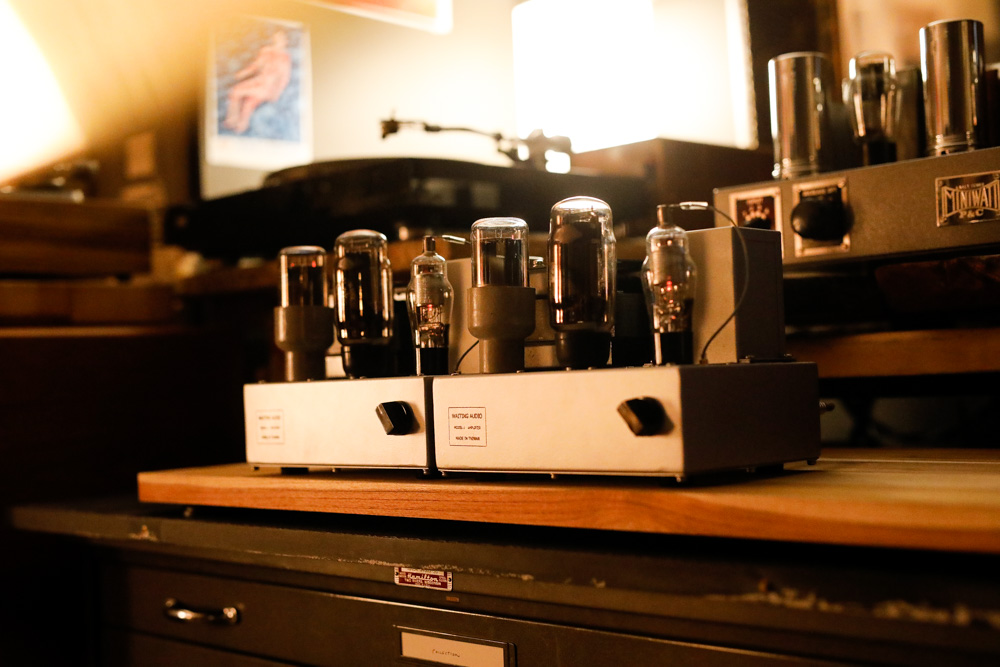
The Waiting Audio Model 2 amplifiers are simple looking, compact silver sprayed boxes with adequate connectors, user selectable world voltage, and built in volume controls. The small size is actually wonderful for folks who struggle a bit with the massive 50 and 60 pound boat anchors found throughout high end tube audio. Light weight aside, these little amps hit heavy. |
||||||||
|
||||||||

|
||||||||
|
||||||||
|
|
||||||||
|
||||||||
|
|
||||||||
|
||||||||
|
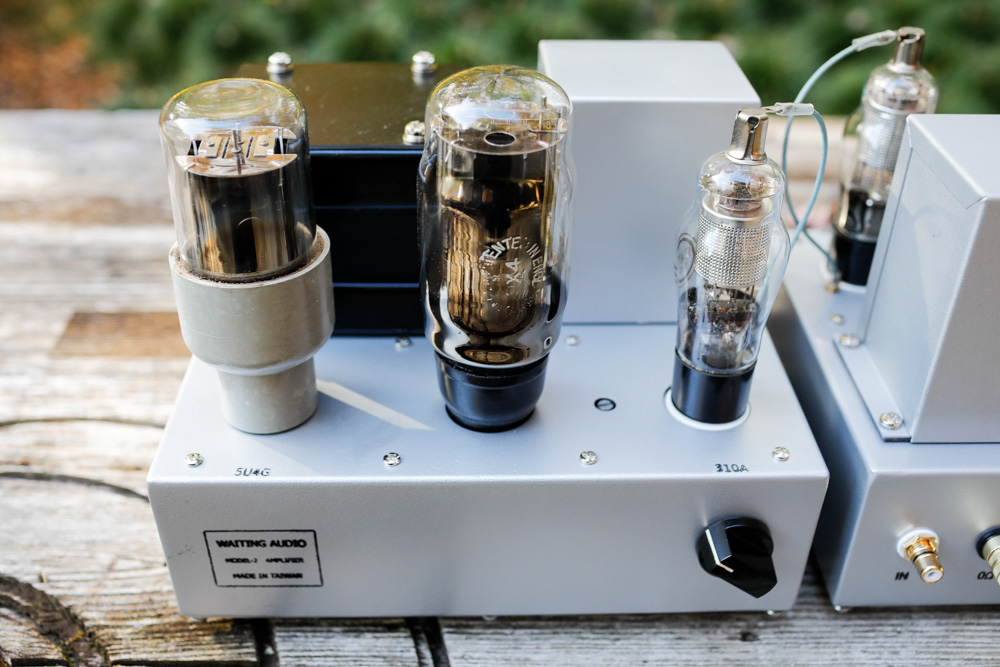
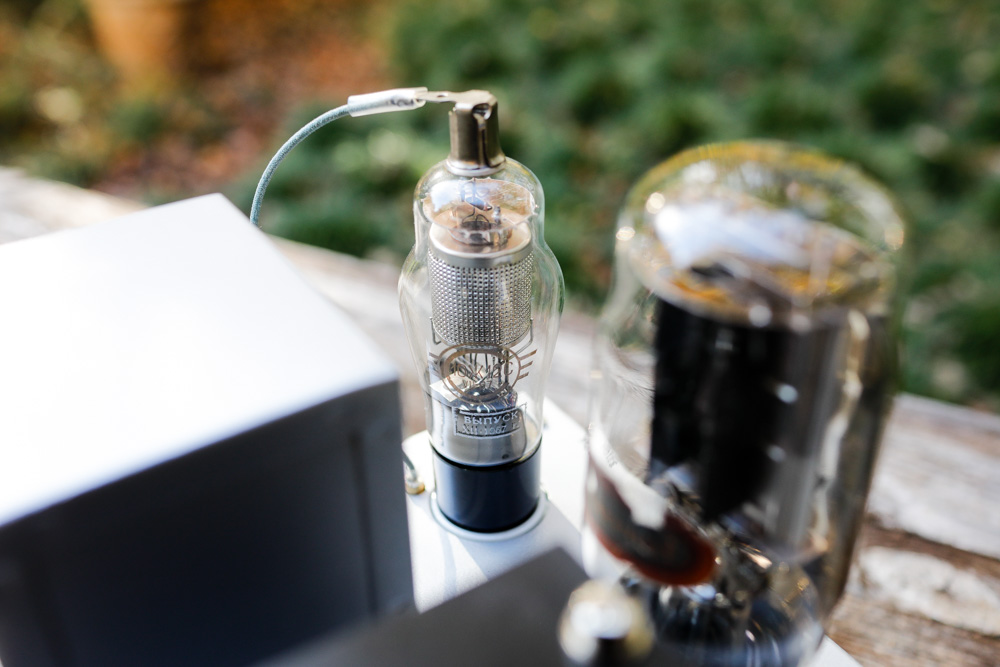
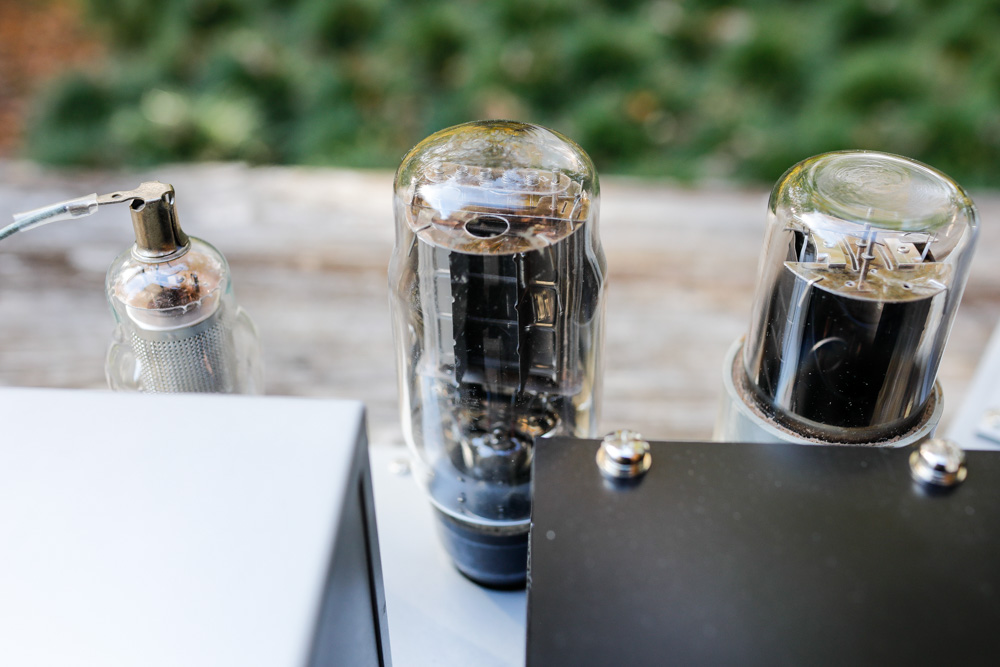
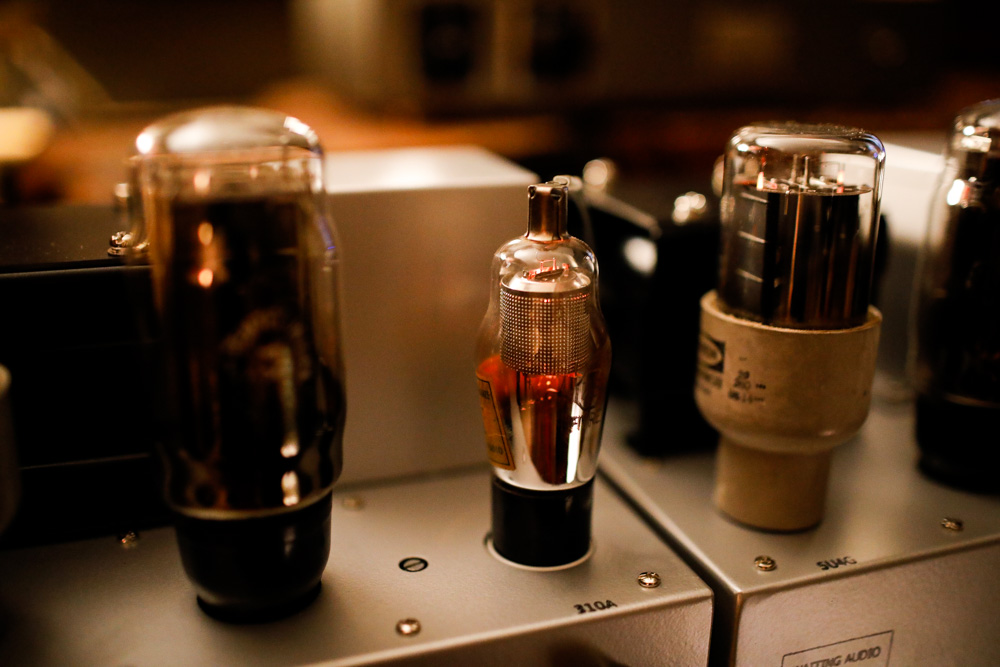
The circuit uses a WE 310a driver, here pictured with a vintage Russian equivalent 10J12S, which seem to be excellent well-made tubes. |
||||||||
|
||||||||
|
|
||||||||
|
||||||||
|
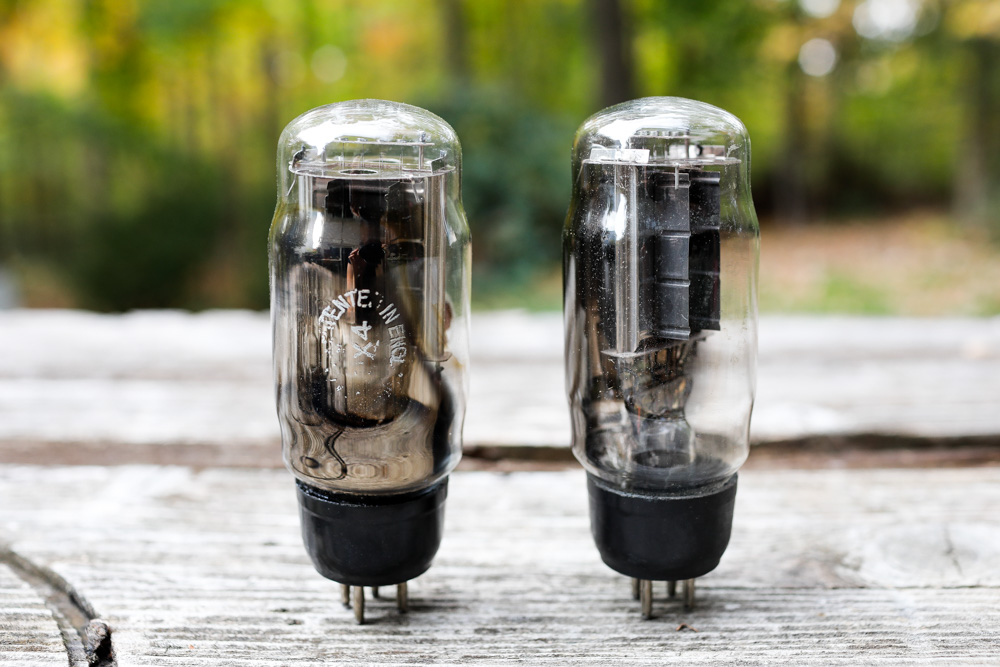
A closer look at the PX4, in this case made by Marconi. The tubes are robust and solid little hand grenades, and have the darker look that s many British tubes do. These are such good sounding valves, and I think the PX4 could easily be an endgame power tube that could eclipse even the mighty 45. A super well-implemented parts-no-object build around this tube could be extremely interesting. |
||||||||
|
||||||||
|
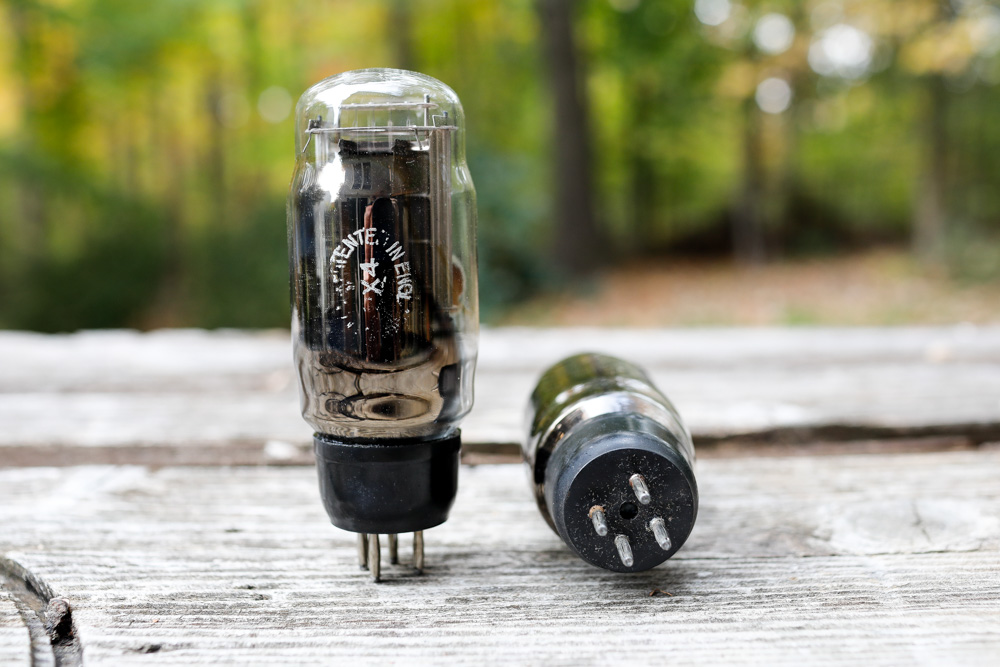
The PX4 base is the archaic British B4, so modern PX4 tubes would require an adapter to work in the Waiting Audio Model 2. |
||||||||
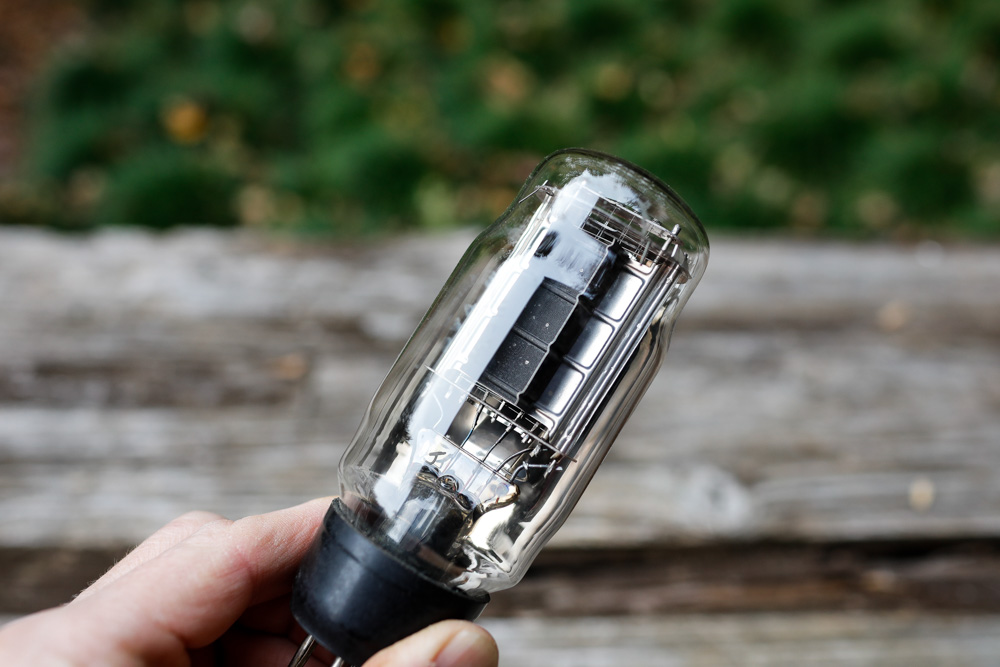
|
||||||||
|
There is a lot going on under the glass on these PX4 tubes, with big wide plates that feature prominent fins and mixed metals, rather like an EML tube of today. It’s so interesting to look at the perfectly preserved environment within. Lots of careful handwork from way back in the 30’s when this was cutting edge technology. This is one of the prettiest tubes I’ve handled. |
||||||||
|
||||||||
|
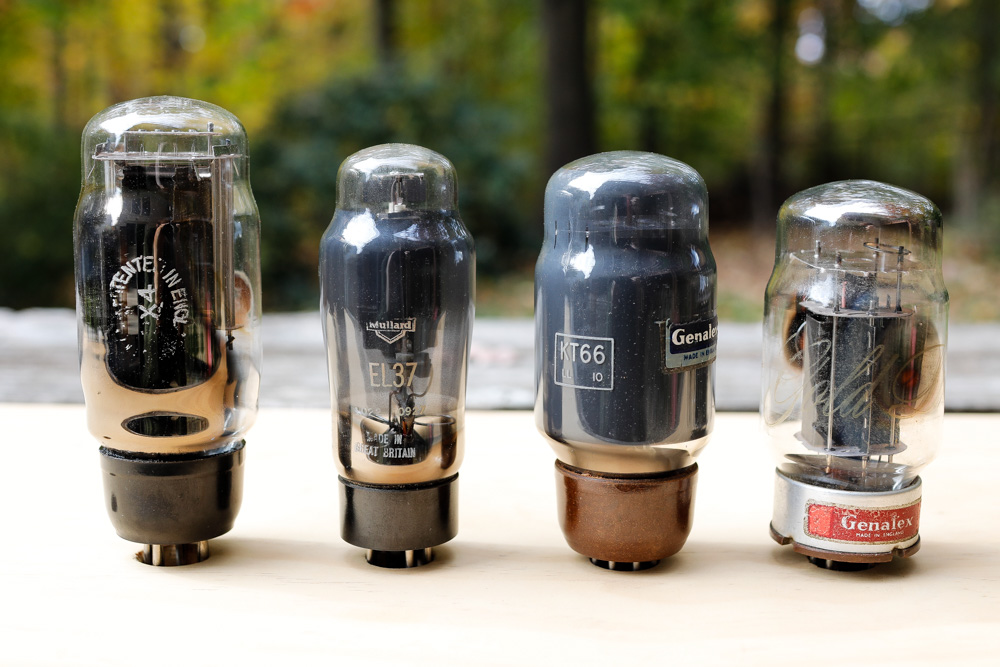
Just for fun here is the PX4 (1929) next to the EL37 (1946), KT66 (1937) and KT88 (1956). Surprisingly to me at least, the PX4 is the largest tube with the biggest plate and the most elaborate inner fixings. These four British bad boys are some of the finest sounding power tubes ever made! |
||||||||
|
||||||||
|
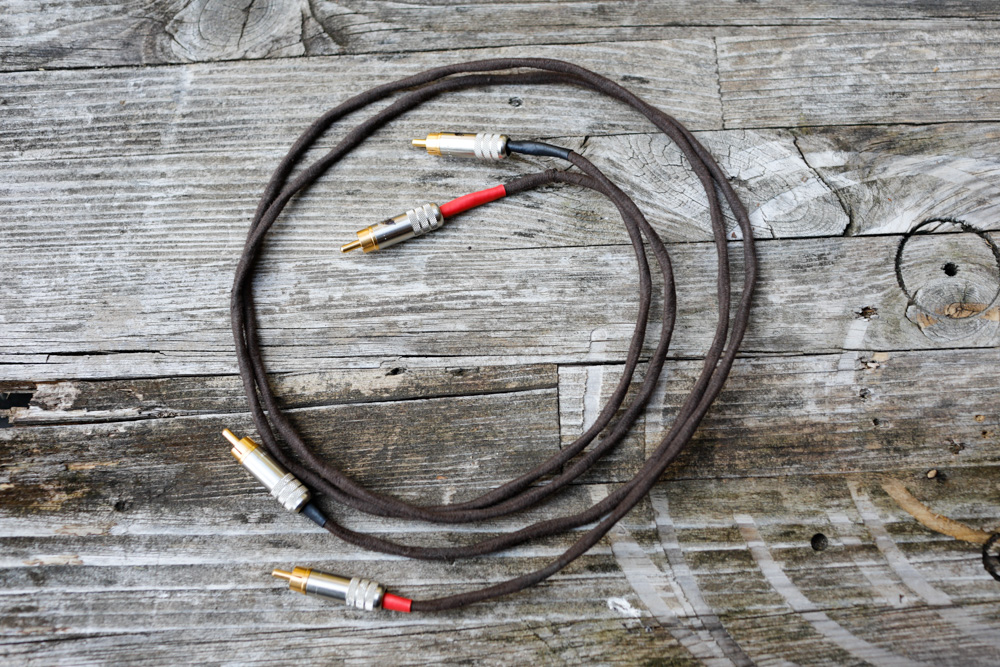
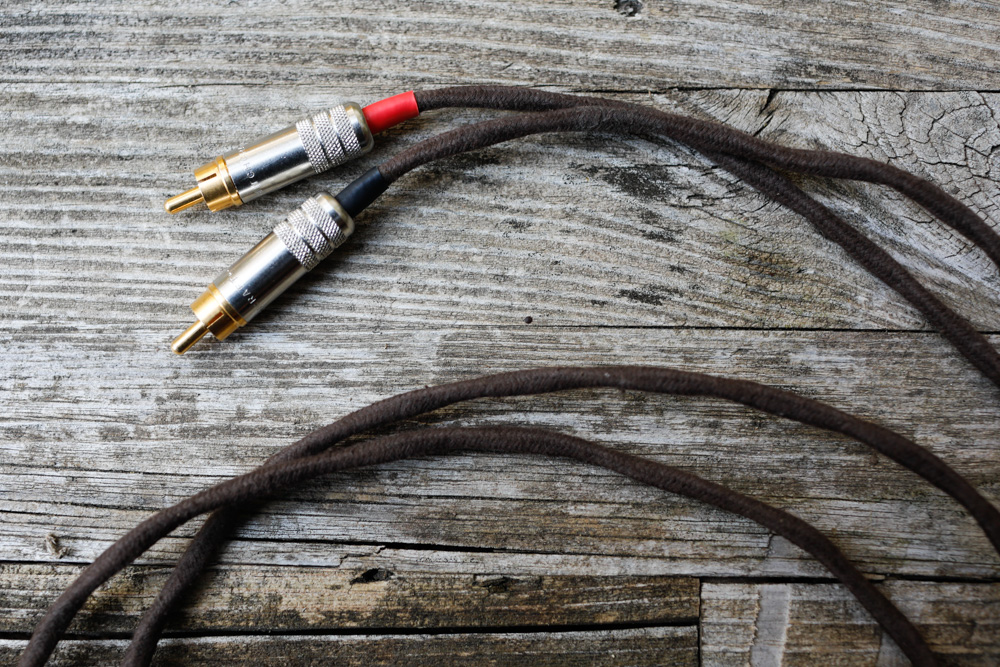
Waiting Audio also makes interconnects…from ancient cloth shielded “Western Electric” cables that look to be old telephone cord to me. I couldn't resist and ordered a one meter pair to try out. Well, I liked them so much that I purchased a second pair, in 3 meters this time, to make a complete preamp-inclusive set. As stated elsewhere, I’m not too wound up on cables and have settled into interconnects from Belden wire in one system and Litz cables made by Jeremy Fix in a second system, and I’ve ignored the whole cable situation entirely until seeing these. (I don't need more variables after all.) The Waiting Audio cable has “something” that I liked immediately. A bit like tuner fuses, I’m not really able to put my finger on what it is, but it sounds “righter” to me. So now I have a third cable reference. Anyway, I know that I’m definitely a fan of 100 year old copper! |
||||||||
|
||||||||
|
|
||||||||
|
||||||||
|
Here with the 60 watt per channel Psvane 845 in the background. I thought the humble little Waiting Audio PX4 stepped all over the 845 sound. |
||||||||
|
||||||||
|
And here with the Toshi Kurashima 2A3 integrated in the background. The Kurashima is a little more of everything, but the PX4 is not far behind and is definitely a card carrying member of the East Asian WE sound club. |
||||||||
|
||||||||
|
|
||||||||
|
||||||||
|
|
||||||||
|
||||||||
|
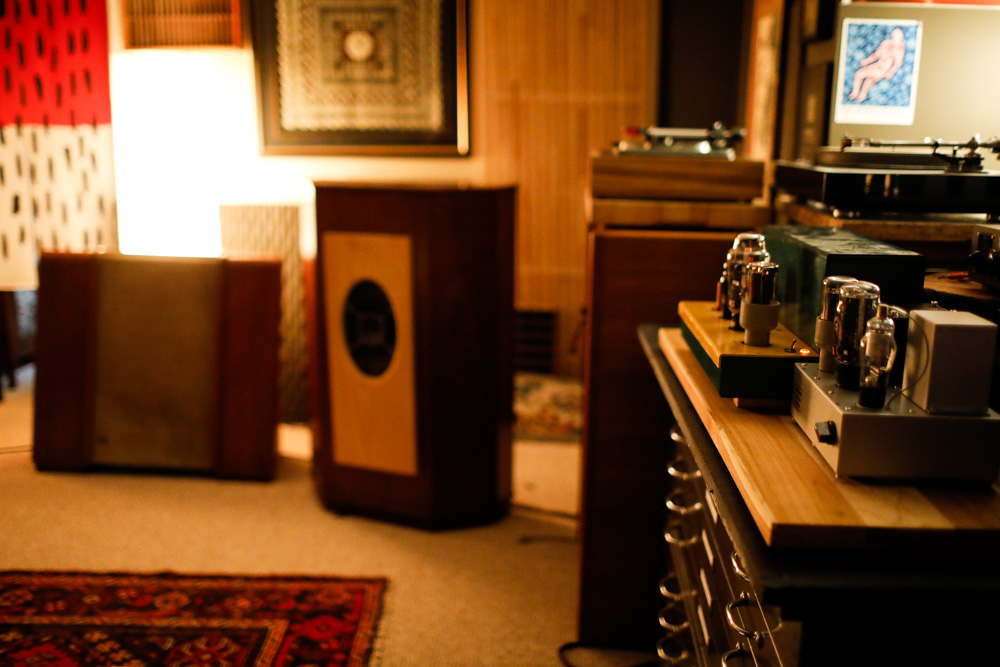
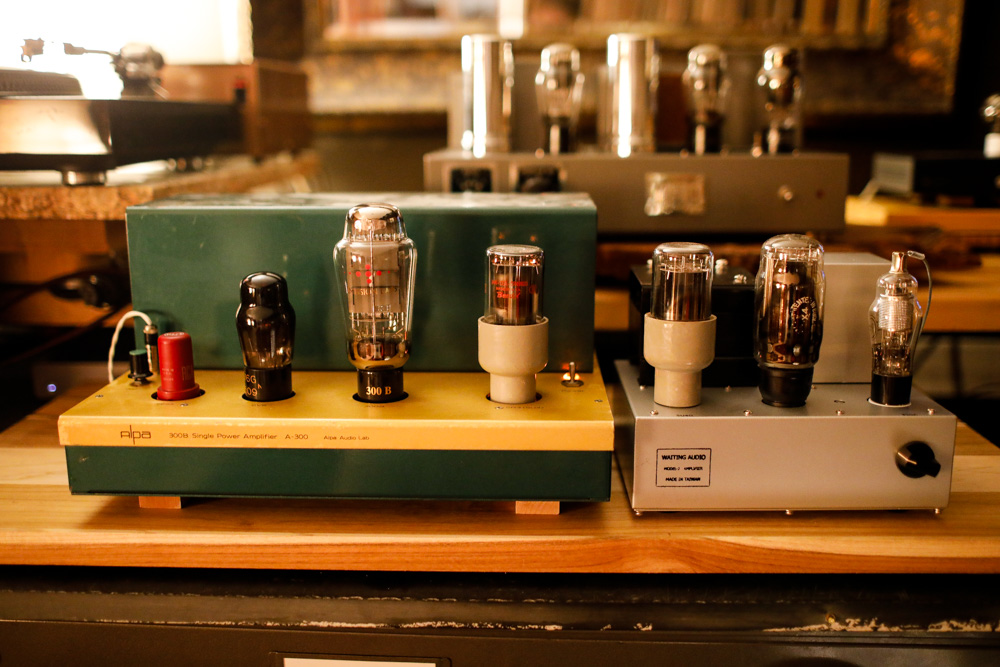
I do listen to mono once in a while and here are the PX4 and Alpa 300B doing mono duty on a Wharfedale SFB. |
||||||||
|
|
|||||||
|
|
|
|
|
|||
|
|||||||
 |
|||||||